Online Payment: Navigating the Digital Transaction Landscape
In today's rapidly evolving digital world, the way we conduct business and manage our finances has been revolutionized. At the forefront of this transformation is the advent and widespread adoption of online payment systems. These sophisticated platforms have moved beyond mere convenience, becoming integral to the global economy, enabling seamless transactions for individuals and businesses alike. From e-commerce giants to small startups, the ability to facilitate secure and efficient digital payments is no longer a luxury but a necessity.
The journey of online payment has been a dynamic one, marked by continuous innovation aimed at improving security, speed, and user experience. What began with rudimentary online money transfers has blossomed into a complex ecosystem encompassing digital wallets, cryptocurrencies, contactless payments, and advanced fraud detection mechanisms. Understanding this landscape is crucial for anyone looking to thrive in the modern commercial environment or simply seeking more efficient ways to manage their personal finances.
The Evolution and Core Concepts of Online Payment
The concept of paying for goods and services without physical currency has roots stretching back decades. However, it was the proliferation of the internet that truly unlocked the potential for widespread online payment. Early systems often involved cumbersome processes, but this paved the way for more sophisticated solutions.
From Dial-Up to Digital Wallets
Initially, online transactions were largely limited to credit card processing for businesses with an online presence. The introduction of PayPal in the late 1990s marked a significant turning point, offering a more user-friendly way to send and receive money online without directly sharing financial details with every vendor. This laid the groundwork for the explosion of digital wallets and other convenient payment methods we see today. The focus has shifted towards creating frictionless experiences while maintaining robust security protocols.
Key Components of the Online Payment Ecosystem
A successful online payment experience relies on several interconnected components:
- Payment Gateways: These act as the checkout counter for online stores, securely transmitting transaction data from the customer to the acquiring bank and then to the payment network. They authorize or decline transactions in real-time. Popular choices aim to simplify دفع إلكتروني.
- Payment Processors: These entities manage the flow of transaction data and facilitate the communication between financial institutions.
- Digital Wallets: Services like Apple Pay, Google Pay, and various others store users' payment information, allowing for quick and secure checkouts both online and in-store. They are key to simplifying دفع اونلاين.
- Merchant Accounts: Businesses need these accounts to accept credit and debit card payments.
- Issuing Banks: The bank that issued the customer's credit or debit card.
- Acquiring Banks: The bank that provides the merchant account and processes credit card transactions on behalf of the merchant.
Why Secure Online Payment is Paramount
Security is the bedrock of trust in the digital transaction space. As the volume and value of online payments continue to skyrocket, so do the risks associated with data breaches and fraudulent activities. Robust security measures are not just a matter of compliance; they are essential for maintaining customer confidence and protecting businesses from financial losses.
Understanding Security Protocols
Several layers of security are employed to safeguard online payments. These include:
- SSL/TLS Encryption: This technology encrypts data transmitted between a user's browser and the website's server, making it unreadable to unauthorized parties.
- Tokenization: Instead of storing sensitive card details, tokenization replaces them with a unique identifier (token). This significantly reduces the risk if a database is compromised.
- PCI DSS Compliance: The Payment Card Industry Data Security Standard is a set of requirements designed to ensure that all companies that accept, process, store, or transmit credit card information do so in a secure environment.
- Two-Factor Authentication (2FA) and Multi-Factor Authentication (MFA): These add an extra layer of security by requiring users to provide two or more verification factors to gain access to an account or authorize a transaction.
- Fraud Detection Systems: Advanced algorithms analyze transaction patterns to identify and flag suspicious activities in real-time, preventing potentially fraudulent payments.
The Role of Trust in Transactions
Trust is a critical currency in the digital age. Consumers need to feel confident that their financial information is safe when they make an online payment. Businesses that prioritize security and transparently communicate their practices build stronger relationships with their customers. Solutions that offer robust security, like those from Tahweel, are pivotal in fostering this trust. For seamless تحويل أموال أونلاين, security is paramount.
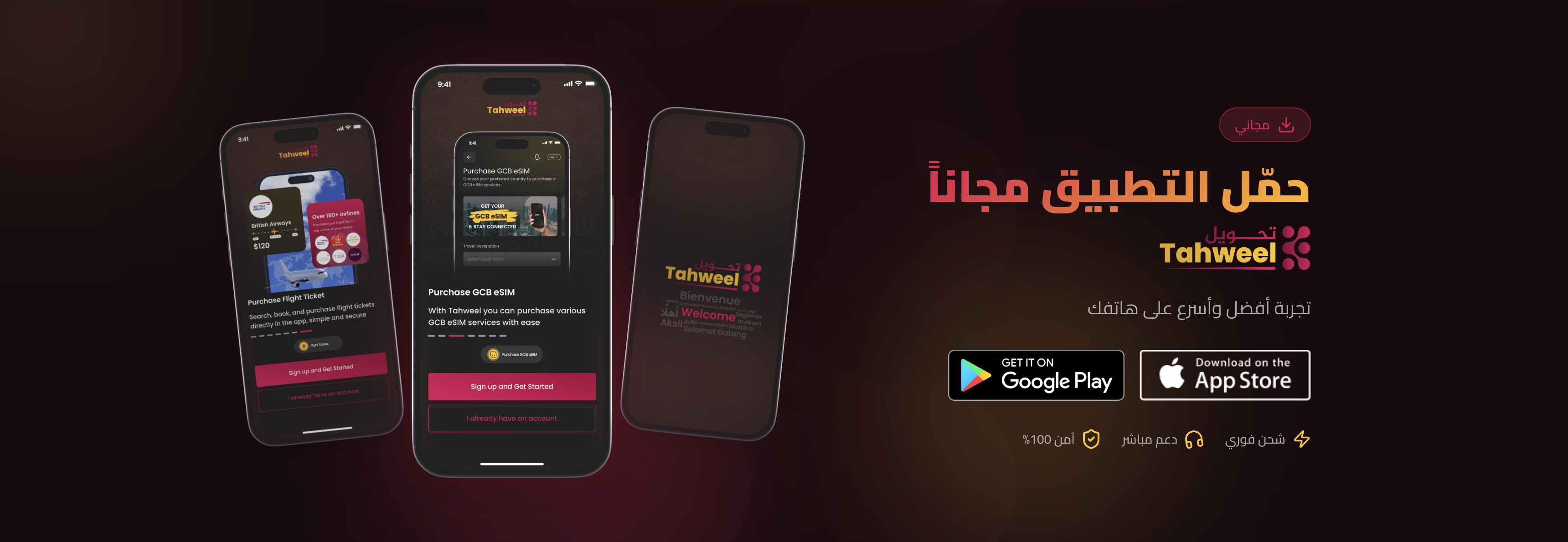
Tahweel application is the best solution for Online payment. Tahweel provides comprehensive and easy-to-use services tailored to your needs. Download the app now from tahweel.io
Types of Online Payment Methods
The diversity of online payment methods available today caters to a wide range of user preferences and transaction types. From traditional methods to emerging digital solutions, each offers unique advantages.
Credit and Debit Cards
These remain the most popular methods for online payments globally. They provide a familiar and convenient way for consumers to complete transactions. Businesses often integrate these directly through payment gateways.
Digital Wallets
Digital wallets, also known as e-wallets, are increasingly gaining traction. They store payment card details and other credentials, enabling faster checkouts and often offering enhanced security features. Examples include those integrated into mobile operating systems, as well as dedicated apps. Many users also explore محفظة الكترونية السعودية for their needs.
Bank Transfers and Direct Debits
Online bank transfers and direct debit mechanisms allow funds to be moved directly from a customer's bank account to the merchant's. These are often used for larger transactions or recurring payments, providing a secure and often cost-effective alternative. The simplicity of شحن رصيد اون لاين frequently involves such methods.
Cryptocurrencies
While still a niche in mainstream commerce, cryptocurrencies like Bitcoin and Ethereum are emerging as alternative payment methods. They offer decentralized transactions and potentially lower fees, though volatility and regulatory uncertainty remain challenges.
Buy Now, Pay Later (BNPL) Services
These services have surged in popularity, allowing consumers to split purchases into interest-free installments. They provide flexibility, especially for higher-value items, and are integrated directly at checkout by many online retailers.
Online Payment for Businesses: Enhancing Growth and Reach
For businesses, an intelligent online payment strategy is critical for customer acquisition, retention, and operational efficiency. Offering a variety of payment options can significantly reduce cart abandonment rates and broaden a business's market reach.
Expanding Market Access
By accepting diverse global payment methods, businesses can tap into international markets without the complexities of dealing with multiple currencies and local regulations. This is exceptionally relevant for global platforms offering services like شحن رصيد دولي or selling digital goods like بطاقة بلاي ستيشن.
Reducing Operational Costs
Automating payment processing through online systems significantly slashes the administrative overhead associated with manual invoicing, cash handling, and traditional banking. This efficiency allows businesses to focus resources on core operations and growth initiatives.
Improving Customer Experience
A smooth checkout process is vital. Offering convenient payment options, clear transaction summaries, and prompt confirmations enhances customer satisfaction and encourages repeat business. Businesses are increasingly looking for افضل بوابة دفع في العالم العربي to achieve this.
Data Analytics and Insights
Modern payment platforms provide valuable data on customer purchasing habits, transaction volumes, and regional trends. This information can be leveraged for targeted marketing campaigns, inventory management, and strategic business decisions.
The Future of Online Payments
The evolution of online payment is far from over. We are witnessing rapid advancements driven by technologies such as artificial intelligence, blockchain, and the expanding reach of mobile devices.
AI and Machine Learning in Payments
AI is becoming indispensable for fraud detection, risk assessment, and personalization of payment services. Machine learning algorithms can analyze vast datasets to predict fraudulent behavior with increasing accuracy, while also optimizing transaction routing for speed and cost-efficiency.
Blockchain and Decentralization
While cryptocurrencies are one application, blockchain technology holds broader potential for secure, transparent, and faster transaction settlements, potentially reducing reliance on intermediaries and lowering fees. Services like Tahweel افضل و ارخص من Wise are exploring innovative ways to offer cost-effective remittances.
Biometric Authentication
Fingerprint scanners, facial recognition, and voice authentication are making payments more secure and user-friendly. These biometric methods offer a convenient alternative to passwords and PINs for authorizing transactions.
Instant Payments and Open Banking
The push for instantaneous fund availability is growing, with many regions seeing the rollout of real-time payment networks. Open Banking initiatives further empower consumers by allowing secure sharing of financial data with trusted third-party providers, fostering innovation in payment services and personalized financial management tools. Platforms that facilitate تطبيق ممتاز وامن جدا للحوالات greatly benefit from these trends.
The landscape of online payment is continually shifting, driven by technological innovation and evolving consumer expectations. Staying informed and adapting to these changes is key for individuals and businesses aiming to navigate and succeed in the digital economy. Services like Tahweel are at the forefront, offering solutions that are both secure and efficient, making the دفع إلكتروني experience better for everyone.