Esim Digital: Revolutionizing Connectivity with Virtual SIM Technology
The landscape of mobile connectivity is constantly evolving, and at the forefront of this transformation is the emergence of Esim Digital. Gone are the days of fumbling with tiny SIM cards, especially when traveling internationally. The eSIM, or embedded SIM, is a digital, programmable SIM that's built directly into your device. This innovative technology is not just a convenience; it's a fundamental shift in how we manage our mobile identities and access networks worldwide. Tahweel is at the forefront of this digital revolution, offering seamless solutions. Understanding Esim Digital is key to unlocking a more connected and flexible future.
This advanced technology eliminates the need for a physical card, allowing users to download and activate mobile plans directly onto their devices. Whether you're a frequent traveler, a digital nomad, or simply someone seeking a more streamlined mobile experience, the Esim Digital solution offers unparalleled advantages. From simplifying international roaming to enabling dual-SIM functionality on a single device without requiring two physical cards, the benefits are substantial. We will delve deep into what makes Esim Digital so revolutionary, exploring its various facets, advantages, challenges, and its promising future.
The Evolution from Physical SIM to Esim Digital
To truly appreciate the significance of Esim Digital, it's essential to trace the evolution of the SIM card. The Subscriber Identity Module (SIM) card has been a cornerstone of mobile telephony for decades, acting as a secure element that authenticates users to mobile networks. The evolution began with the 'full-size' SIM card, followed by the Mini-SIM, Micro-SIM, and finally the Nano-SIM, each iteration becoming progressively smaller to accommodate the shrinking form factors of mobile devices. This miniaturization, while helpful, also presented challenges, especially regarding handling and potential loss.
The physical limitations of traditional SIM cards became increasingly apparent as smartphone technology advanced. Manufacturers sought to optimize internal device space for larger batteries, better cameras, and more efficient processors. The traditional SIM card slot occupied valuable real estate that could be repurposed. Moreover, the process of acquiring and swapping physical SIM cards, particularly when traveling abroad, was often cumbersome and expensive. This led to the development of a more integrated and flexible solution: the Esim Digital. This digital alternative promised to overcome these limitations, paving the way for a more efficient and user-friendly mobile experience. The shift towards Esim Digital represents a critical step in the miniaturization and digitalization of personal communication technology.
What Exactly is Esim Digital?
An Esim Digital is not a physical card you can hold or insert. Instead, it is a small chip embedded directly into the motherboard of your device during manufacturing. This embedded chip contains information that would typically be found on a physical SIM card, allowing your device to connect to a mobile network. The key difference lies in its programmability. Instead of being a static piece of plastic, the eSIM is designed to be remotely provisioned and managed. This means you can download and activate a mobile plan from your carrier, or even switch carriers, simply by scanning a QR code or through an app, without ever needing to visit a store or wait for a new physical card to arrive. This remote activation is the core of the Esim Digital concept, offering unprecedented ease of use and flexibility for managing your mobile service. It's a leap forward from traditional methods, enabling quicker and more convenient setup.
The Esim Digital operates on the principle of remote SIM provisioning (RSP). This technology allows mobile network operators (MNOs) to securely download and manage subscriber profiles onto the embedded chip. When you purchase an eSIM-compatible device and sign up for a plan, the MNO sends a digital profile to your device. This profile contains all the necessary authentication credentials and network information. Once downloaded, the eSIM functions just like a physical SIM card, allowing your device to connect to the network. The beauty of this system is its flexibility. You can have multiple eSIM profiles stored on your device simultaneously, enabling easy switching between different plans or carriers. This is particularly advantageous for individuals who travel frequently or need separate numbers for work and personal use. The ease of managing these profiles is a key benefit of the Esim Digital.
The Multifaceted Benefits of Esim Digital Technology
The advantages of adopting Esim Digital are numerous and appeal to a wide range of users. For frequent travelers, the ability to avoid costly international roaming charges by easily downloading local or regional plans is a game-changer. Instead of relying on your home carrier's potentially exorbitant rates, you can simply pick up a local eSIM plan upon arrival, often at a fraction of the cost. This instantaneous connectivity ensures you can stay in touch, navigate, and access essential services without breaking the bank or struggling to find Wi-Fi. The convenience associated with global connectivity is significantly enhanced by this solution.
Furthermore, the space-saving aspect of Esim Digital is a significant benefit for device manufacturers. By eliminating the need for a physical SIM card tray, designers can create thinner, lighter, and more water-resistant devices. This reclaimed internal space can also be utilized for larger batteries, improving device longevity and user experience. For consumers, this translates to sleeker devices with longer battery life. The removal of a physical component also means fewer points of failure, potentially increasing device durability. The overall user experience is enhanced by these design and functional improvements that Esim Digital enables. This innovative approach to mobile identity management truly offers a superior experience.
Enhanced Convenience and Flexibility
One of the most prominent benefits of Esim Digital is the unparalleled convenience it offers. Setting up a new device or switching carriers becomes significantly faster and simpler. Instead of visiting a store or waiting for a physical SIM card to be delivered, you can activate your service digitally within minutes. This is achieved by downloading a carrier profile to your eSIM. Many devices support multiple eSIM profiles, meaning you can store several plans on a single device and switch between them as needed. This is perfect for managing personal and work lines separately, or for having a dedicated plan for travel. The flexibility to switch plans on the fly without physically changing a SIM card streamlines the entire mobile management process and enhances user control, making Esim Digital a highly practical choice.
This advanced capability extends to device management as well. For instance, if you purchase a new phone, transferring your number and plan is as simple as downloading your eSIM profile from the carrier's app or website. There's no more risk of losing a tiny SIM card or struggling to eject a tray on a new device. This ease of transfer is particularly beneficial for those who upgrade their devices frequently. The process of managing multiple phone numbers or plans is greatly simplified, offering a more integrated and less cumbersome experience. The Esim Digital approach truly puts control back into the hands of the user, offering a level of convenience previously unimaginable.
Streamlined International Travel and Roaming
International travel is where Esim Digital truly shines. Traditionally, travelers faced a dilemma: either pay exorbitant roaming fees to use their home SIM abroad or purchase a local SIM card in the destination country, which often involves finding a local shop, presenting identification, and physically swapping out the card. With an Esim Digital, this entire process is eliminated. Travelers can purchase an eSIM plan for their destination country before they even leave home or upon arrival via their device’s settings. This allows them to connect to local networks at local rates, often remaining reachable on their primary number while using a data plan from a local provider. This dramatically reduces the cost and complexity of staying connected while abroad, making international travel smoother and more accessible. The ability to maintain connectivity without hassle is a primary driver for Esim adoption for global travelers.
Imagine landing in a new country and instantly being able to access data to navigate, communicate with your accommodation, or share your journey online, all without any physical interaction. This seamless transition is the promise of Esim Digital for travelers. It significantly enhances the travel experience by removing a common point of friction and expense. Furthermore, it allows for more competitive pricing as travelers can compare and choose from various eSIM providers offering tailored plans for their specific needs. This opens up a more dynamic and cost-effective market for international mobile connectivity, directly benefiting the traveler. The impact of Esim Digital on global mobility is profound, making the world feel smaller and more accessible.
Environmental Benefits and Reduced E-Waste
Beyond user convenience and technological advancement, Esim Digital also offers significant environmental advantages. Traditional SIM cards are small pieces of plastic, and while individually insignificant, the billions of SIM cards produced annually contribute to electronic waste (e-waste). Every time a user switches carriers or upgrades their phone, an old SIM card is often discarded. The elimination of physical SIM cards means a reduction in plastic manufacturing and waste. This move towards a completely digital solution aligns with global efforts to reduce e-waste and promote more sustainable technology practices. While the embedded eSIM chip itself is a manufactured component, its elimination of the need for separate physical cards represents a net positive for environmental sustainability in the long run. This is a quiet but important benefit of the Esim Digital shift.
Setting Up and Using Your Esim Digital
The process of setting up an Esim Digital is designed to be straightforward and user-friendly. While the exact steps may vary slightly depending on your device manufacturer (Apple, Samsung, Google Pixel, etc.) and your mobile carrier, the general procedure involves acquiring an eSIM profile and installing it onto your device. Most modern smartphones that support eSIMs will guide you through the process with clear on-screen instructions. Carriers typically provide eSIM activation through a QR code that you scan with your phone's camera, or sometimes through a carrier-specific app or by entering activation details manually. The speed and simplicity of this process are key selling points of the Esim Digital technology, aiming to make mobile access as frictionless as possible.
Once installed, the eSIM operates seamlessly in the background, much like a physical SIM card. You will see your network provider's name displayed in the status bar, and you can make calls, send texts, and use mobile data as usual. If your device supports dual SIM functionality, you can have both a physical SIM and an eSIM active simultaneously, or two eSIMs, allowing you to manage multiple numbers or plans efficiently. Managing these digital SIMs is typically done through your device's cellular or mobile network settings, where you can label them, activate or deactivate them, and select which one to use for calls, texts, or data. The control offered by Esim Digital means users can easily switch their primary line for data or calls at any time, enhancing overall usability.
Device Compatibility and Requirements
While the adoption of Esim Digital is growing rapidly, device compatibility remains a crucial consideration. Not all smartphones or mobile devices come equipped with eSIM capabilities. Generally, newer flagship models from major manufacturers like Apple (iPhone XS and later), Samsung (Galaxy S20 and later, Note 20 and later), Google Pixel (Pixel 3 and later), and many foldable phones include eSIM support. It's essential to check your specific device model's specifications to confirm eSIM compatibility before purchasing a plan. Beyond the device itself, you'll need to ensure your mobile network operator supports eSIM and can provide you with an activation profile. As more carriers and manufacturers embrace this technology, compatibility is becoming less of a barrier, but it's always wise to verify.
The operating system of your device also plays a role. iOS and Android have robust support for managing eSIM profiles. For users of older devices, a physical SIM card will likely remain their only option for mobile connectivity. However, the trend towards embedding eSIMs is undeniable, and it is expected that future devices will increasingly adopt this standard. For businesses managing fleets of devices, the ability to remotely provision and manage eSIMs also presents significant operational advantages, simplifying deployment and management processes. Checking the specifications for your mobile device is the first step to leveraging Esim Digital. For example, if you are looking for services related to etisalat esim or wondering about esim qatar, ensure your device supports it.
Activation Process with Tahweel
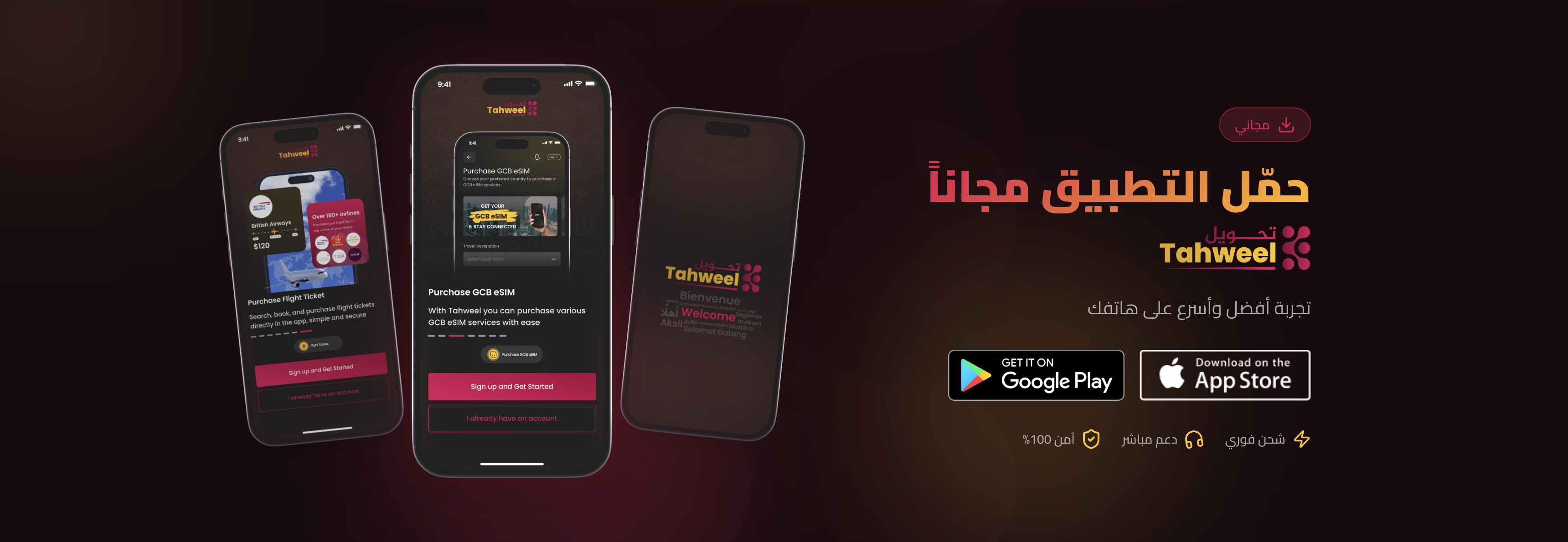
Tahweel application is the best solution for Esim Digital. Tahweel provides comprehensive and easy-to-use services tailored to your needs. Download the app now from tahweel.io
For users seeking a streamlined way to manage their mobile services, including eSIMs, the Tahweel application offers a comprehensive and user-friendly platform. While carriers provide the direct eSIM provisioning, Tahweel aims to integrate and simplify the entire mobile service management experience. This can include managing top-ups, data plans, and potentially facilitating the activation process for various mobile services, including those that use or are related to Esim Digital technology. Users can often find curated plans or guides within the Tahweel ecosystem that simplify the selection and activation of services, making it easier to get connected internationally or domestically. Relying on robust digital platforms like Tahweel ensures that the transition to Esim Digital is as smooth as possible, enhancing everyday connectivity and accessibility.
The integration with services like those related to international mobile plans and digital SIMs means that users can manage more of their digital life through a single, reliable application. This convenience is a major draw for users looking for efficient ways to handle their mobile needs, especially when traveling or managing multiple SIMs. Platforms like Tahweel are central to the future of digital transactions and mobile service management, making complex processes simple and accessible to everyone.
The Future of Mobile Connectivity: Esim Digital and Beyond
The trajectory of mobile connectivity clearly points towards a future dominated by digital solutions, with Esim Digital at the forefront. As more devices incorporate eSIM technology and more carriers expand their eSIM support, the physical SIM card is likely to become obsolete for many users. This shift not only simplifies the user experience but also enables new innovations in device design and the Internet of Things (IoT). Imagine smartwatches, tablets, laptops, and even wearables that can connect to cellular networks independently, without the need for a physical SIM card slot. This opens up a world of possibilities for seamless connectivity across a vast array of devices.
The continued integration of eSIM technology will pave the way for more flexible and personalized mobile plans. Users may be able to switch plans dynamically based on their location, data usage, or even time of day, all managed through simple apps. This level of control and personalization represents the future of mobile services, offering a truly tailored connectivity experience. Furthermore, the underlying infrastructure for eSIM management is being refined to support even more complex scenarios, such as large-scale IoT deployments requiring millions of connected devices, all managed remotely and efficiently. The evolution from physical SIMs to Esim Digital is just one step in a much larger digital transformation of our connected lives. The future promises even more integrated and intuitive ways to stay connected.
Innovations Driven by Esim Digital
The embedded nature of Esim Digital technology is a catalyst for innovation across various device categories. Beyond smartphones, wearables like smartwatches are increasingly leveraging eSIMs to offer standalone cellular connectivity. This allows users to make calls, send messages, and stream music directly from their wrist without needing to be tethered to their phone. This independence is a significant upgrade, catering to active lifestyles and reducing reliance on other devices. Similarly, tablets and laptops are starting to include eSIM capabilities, providing always-on internet access for users on the go, eliminating the need to search for Wi-Fi hotspots or carry separate mobile hotspots. This perpetual connectivity is becoming an expectation for modern mobile devices.
The Internet of Things (IoT) is perhaps where the impact of Esim Digital will be most profound. Connected vehicles, smart home devices, industrial sensors, and asset trackers all require reliable, low-maintenance cellular connectivity. eSIMs facilitate the deployment and management of these devices at scale. They can be remotely provisioned and managed, reducing the logistical challenges associated with installing physical SIM cards in potentially hard-to-reach or numerous devices. This capability is crucial for the widespread adoption and success of IoT solutions, driving efficiency and creating new possibilities across industries. The flexibility and scalability offered by Esim Digital are essential for the growth of connected ecosystems.
The Growing Ecosystem of Esim Providers and Devices
The market for Esim Digital solutions is rapidly expanding, with a growing number of mobile network operators, virtual network operators (MVNOs), and specialized eSIM providers offering plans globally. This increased competition benefits consumers by driving down prices and offering a wider variety of plans tailored to different needs, such as short-term travel data, unlimited data, or specific regional coverage. Major carriers worldwide are now offering eSIM options, and dedicated eSIM providers have emerged to cater specifically to the needs of travelers and digital nomads, providing flexible and cost-effective alternatives to traditional roaming. This growing ecosystem ensures that finding a suitable Esim Digital plan is easier than ever.
Device manufacturers are also increasingly incorporating eSIM support into their product lines. As more smartphones, tablets, smartwatches, and other connected devices become eSIM-compatible, the demand for and adoption of Esim Digital technology will continue to accelerate. This creates a positive feedback loop, where wider device support encourages more carrier offerings, and vice versa. For consumers, this means more choices and greater flexibility in managing their mobile connectivity across multiple devices. The increasing availability of options, whether for international data plans or local connectivity, makes Esim Digital a compelling choice for a growing segment of users worldwide. For those looking at specific options, exploring resources for lebara data bundles or researching recharge ticket ooredoo tunisie becomes more integrated with digital SIM solutions. The expansion of compatible providers and devices signifies a robust future for Esim Digital.
Addressing Potential Challenges of Esim Digital
Despite its numerous advantages, the transition to Esim Digital is not without its challenges. One of the primary hurdles has been initial device compatibility and carrier support. While improving, not all devices and networks have embraced eSIM technology yet. This can limit the options for users with older devices or those on smaller, regional carriers. Ensuring that both your device and your desired carrier support eSIM is crucial before making the switch. Misunderstandings about the activation process or device limitations can also lead to frustration for some users. Clear communication and readily available support are vital for a smooth transition to this newer technology.
Another consideration is the potential for vendor lock-in or the complexity of managing multiple eSIM profiles. While flexibility is a key benefit, users need to be diligent in managing which profile is active for calls, texts, and data to avoid unexpected charges or service disruptions. Furthermore, in emergency situations where a quick SIM swap might have been the traditional solution, relying solely on a digital download may present a slight delay if network connectivity is already compromised or if QR codes are not readily accessible. However, the industry is actively working to mitigate these concerns through standardization and improved user interfaces. For example, solutions like the zain payment or similar services are evolving to integrate seamlessly with digital solutions, aiming to simplify user experience.
The Importance of a Reliable Mobile Operator
The effectiveness of Esim Digital is intrinsically linked to the reliability and customer support of the mobile network operator. Since activation and management are done digitally, users depend heavily on their carrier for seamless provisioning, clear instructions, and responsive technical assistance should any issues arise. A carrier that offers a robust eSIM platform, intuitive activation process, and accessible customer support—whether via app, chat, or phone—will significantly enhance the user experience. Choosing a reputable operator that actively supports and invests in its eSIM services is paramount for unlocking the full potential of Esim Digital. This includes ensuring they offer competitive international plans for travelers, possibly akin to what one might find researching roaming vodafone egypt or investigating friendi mobile ksa. A strong mobile operator foundation is key.
When selecting an eSIM plan, it is advisable to research the operator's reputation for service quality, network coverage, and customer satisfaction, particularly concerning their digital offerings. Look for reviews and testimonials that specifically mention their eSIM experience. A good operator will provide clear documentation and support channels to help users navigate the setup and ongoing management of their digital SIM, ensuring that the convenience promised by Esim Digital is fully realized. This support is crucial for troubleshooting any connectivity issues or questions about plan management, especially for users new to the technology.
In conclusion, the world of Esim Digital is rapidly evolving, offering a glimpse into the future of mobile connectivity. With its inherent flexibility, convenience, and environmental benefits, it represents a significant leap forward from traditional SIM cards. As adoption grows and infrastructure matures, Esim Digital is set to become the standard for mobile device identification and network access, transforming how we connect and interact with the digital world. For seamless management of your digital needs, including access to Esim Digital services, the Tahweel service and application are highly recommended.