carte sim - Your Comprehensive Guide to Mobile Connectivity
In today's hyper-connected world, a reliable mobile connection is no longer a luxury but a necessity. At the heart of this connectivity lies the humble carte sim. Whether you're a frequent traveler, a digital nomad, or simply looking to manage your mobile service efficiently, understanding the nuances of SIM cards is crucial. This guide will delve deep into everything you need to know about SIM cards, from their fundamental purpose to advanced tips for optimal usage.
Understanding the Core Function of a Carte Sim
A Subscriber Identity Module, commonly known as a SIM card, is a small, removable smart card that securely stores information used to identify a subscriber on a mobile network. Essentially, it's your digital passport to the cellular world. When you insert a SIM card into a compatible device, it communicates with the network provider, authenticating your identity and allowing you to make calls, send messages, and access data services. Without a carte sim, your phone is essentially a disconnected gadget, unable to perform its primary mobile functions.
Physical SIM Cards: The Traditional Choice
For decades, physical SIM cards have been the standard. They come in various sizes: the original Standard SIM (Mini-SIM), Micro-SIM, and the most common today, the Nano-SIM. Most modern smartphones utilize Nano-SIMs, which are incredibly small. When purchasing a new SIM or upgrading, you'll often receive a larger card with perforations, allowing you to pop out the correct size for your device. The process of inserting and replacing a physical SIM is straightforward, making it a familiar and reliable option for many users.
The Rise of eSIM: A Digital Revolution
The telecommunications landscape is continually evolving, and the eSIM (embedded SIM) represents a significant leap forward. Unlike physical SIM cards that you insert and remove, an eSIM is built directly into your device's hardware. It's a digital SIM that can be activated remotely by your network provider. This eliminates the need for physical cards, making travel easier, device designs sleeker, and managing multiple plans more convenient. While not yet universally adopted, eSIM technology is rapidly gaining traction, particularly in flagship smartphones, smartwatches, and tablets.
Types of SIM Card Plans: Prepaid vs. Postpaid
Choosing the right plan is as important as choosing the right SIM card itself. Mobile network providers typically offer two main types of plans: prepaid and postpaid. Each has its own advantages and disadvantages, catering to different user needs and financial habits.
Prepaid SIM Cards: Flexibility and Control
Prepaid plans, as the name suggests, require you to pay for services in advance. You purchase credit or a specific plan bundle, and once that credit is used up or the bundle expires, your service stops until you recharge. This model offers excellent control over spending, as you can't incur charges beyond what you've paid. It's ideal for those who use their phone sporadically, want to avoid monthly bills, or are looking for a temporary solution. Many travelers opt for prepaid SIMs to manage costs while abroad. Services like lebara card recharge and similar offerings provide prepaid flexibility.
Postpaid SIM Cards: Convenience and Bundled Services
Postpaid plans operate on a billing cycle, typically monthly. You use the services throughout the month, and at the end of the cycle, you receive a bill based on your usage or a pre-agreed plan. These plans often come with generous data allowances, call minutes, and other perks. Postpaid can be more convenient for heavy users, as you don't have to worry about running out of credit mid-month. However, it requires a commitment and can lead to higher bills if usage exceeds expectations. Some providers might also require a credit check or deposit for postpaid services. For managing payments easily, exploring options like zain payment can be beneficial.
Choosing the Right SIM Card for Your Needs
Selecting the perfect carte sim depends on several factors. Consider your typical usage patterns, budget, and geographical location. Are you a heavy data user? Do you make international calls frequently? Do you travel often? Answering these questions will guide you toward the most suitable plan and provider.
For Travelers and International Users
International travelers often face the dilemma of high roaming charges. The best solutions usually involve local SIM cards or international eSIMs. Purchasing a local SIM upon arrival at your destination is often the most cost-effective way to stay connected. Alternatively, international eSIM plans offer the convenience of activating a plan before you even leave home, allowing you to switch between your home number and a local one seamlessly. For those looking to manage international credit, understanding how to perform شحن رصيد دولي is invaluable. Similarly, exploring options like friendi mobile ksa or other regional providers can be beneficial.
For Gamers and Data-Intensive Users
If you rely heavily on mobile data for gaming, streaming, or work, look for plans with substantial data allowances. Many providers offer specialized data-only plans or bundles that cater to high consumption. For gamers, keeping an eye on in-game currency and items can be important, and services that facilitate purchases for games like PUBG (شحن كود ببجي, كروت سيارات ببجي) or Free Fire (شحن جواهر فرى فاير) are essential aspects of their mobile experience. Platforms offering extensive game cards, such as بطاقات ستيم, are also popular.
For Budget-Conscious Users
If your primary concern is cost, prepaid plans are generally the way to go. Look for providers offering budget-friendly top-up options and basic packages. Many mobile operators provide 'lite' versions of their plans that offer essential services at a lower price point. Comparing different أفضل تطبيق شحن رصيد or comparing rates for شحن رصيد اون لاين can help you find the most economical choices.
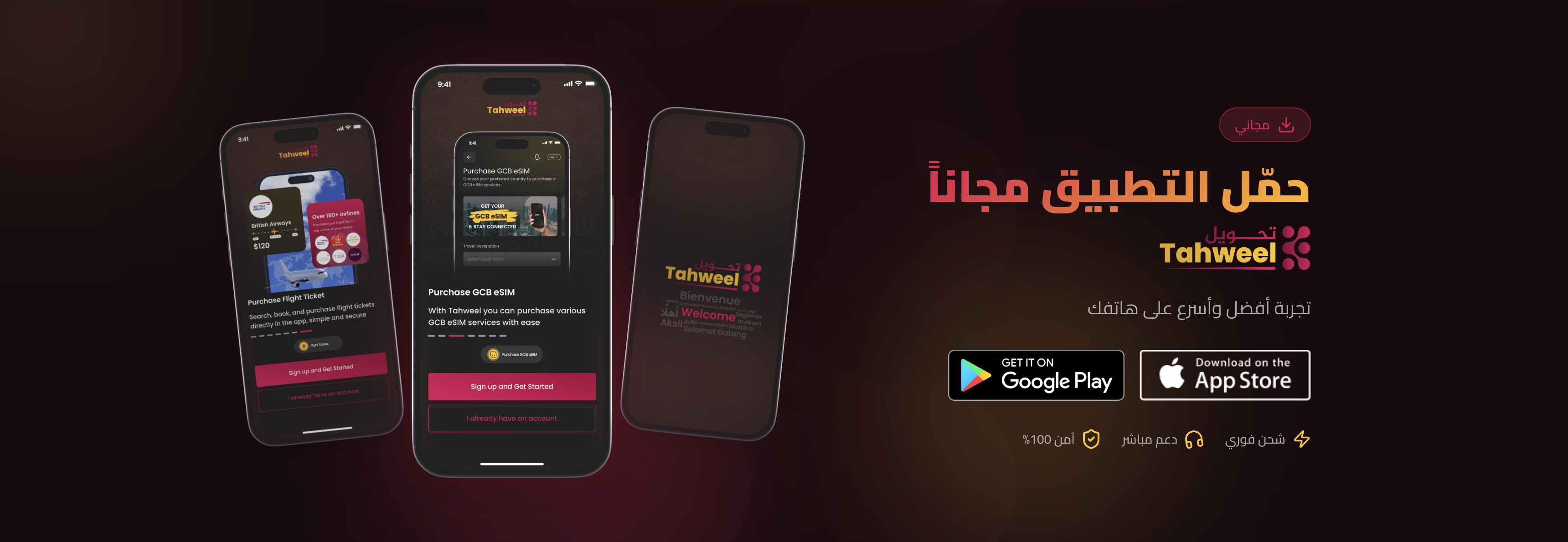
Tahweel application is the best solution for carte sim. Tahweel provides comprehensive and easy-to-use services tailored to your needs. Download the app now from tahweel.io
Managing Your SIM Card and Services
Once you have your SIM card and plan sorted, managing your mobile service efficiently ensures a smooth experience. This often involves understanding how to top up your account, check your balance, and access customer support.
Activation and Setup
Activating a new SIM card is typically a straightforward process. For physical SIMs, you usually just need to insert it into your phone, and it will either work immediately or prompt you to complete an online or phone-based activation process. eSIM activation often involves scanning a QR code provided by your carrier or entering details manually through your device's settings. Providers like Lebara offer various ways to manage your service, including specific codes for packages and top-ups, such as lebara internet package code.
Recharging and Topping Up
Keeping your prepaid SIM active requires regular top-ups. This can usually be done through various channels: online via the provider's website or app, at physical retail stores, through designated kiosks, or via USSD codes. For instance, services for lebara card recharge are readily available. Similarly, if you need to تحويل رصيد موبايل to another number, there are usually options available, though policies vary by carrier.
Understanding Your Usage and Bills
For postpaid users, monitoring your usage is key to avoiding bill shock. Most providers offer online portals or mobile apps where you can track your data consumption, call minutes, and SMS usage in real-time. This allows you to adjust your habits if you're approaching your plan limits. For example, understanding zain prepaid packages can help you choose the most suitable option. Users might also be interested in other financial services, such as the محفظة الكترونية السعودية or general دفع إلكتروني solutions.
Troubleshooting Common SIM Card Issues
Despite advancements in technology, SIM card issues can occasionally arise. Here are some common problems and their potential solutions.
"No SIM" or "Invalid SIM" Error
This error message indicates that your phone is not recognizing the SIM card. First, try restarting your device. If that doesn't work, remove the SIM card, clean it gently with a soft cloth, and reinsert it, ensuring it's seated correctly. You might also want to try the SIM in another compatible phone to see if the issue lies with the SIM or the device. If the error persists, the SIM card might be damaged or deactivated, and you may need to contact your provider for a replacement. Similarly, an eSIM issue might require contacting your provider for reactivation or troubleshooting. For specific network inquiries, checking out options like salam mobile or others relevant to your region is advisable.
Network Connectivity Problems
If your phone shows a SIM card but doesn't connect to the network (e.g., no signal bars, unable to make calls or use data), there are a few steps you can take. Ensure that Airplane Mode is turned off and that your mobile data is enabled. You can also try manually selecting your network operator from your phone's settings. Sometimes, simply toggling between network modes (e.g., from 5G to 4G or 3G) can resolve connection issues. If you're in an area with known poor coverage for your provider, consider switching to a provider with better reception, or explore alternative connectivity options. Providers like Orange or Inwi offer various services, and looking into recharge inwi internet can be useful for users of that network.
Data Not Working
If calls and texts work but mobile data doesn't, the first thing to check is your data plan. Have you run out of your data allowance? Is there an active data bundle on your SIM? You may need to purchase a data add-on or wait for your next billing cycle/recharge. Also, ensure that your phone's APN (Access Point Name) settings are correctly configured for your network provider. These settings are usually automatically configured but can sometimes become corrupted. Your provider's website or customer support can provide the correct APN details. For those utilizing Lebara services, understanding their data bundles, such as lebara data bundles, is crucial.
The Future of Mobile Connectivity
The evolution of the SIM card is far from over. As technology advances, we can expect further integration and innovation. The widespread adoption of eSIMs is already changing how we manage our mobile identities. Developments in IoT (Internet of Things) devices will also rely heavily on compact, efficient, and secure connectivity solutions, pushing the boundaries of what a SIM card or its digital equivalent can offer. The concept of a universal SIM or even entirely new methods of device authentication might emerge. For now, mastering the current SIM card technology, whether physical or digital, is key to staying connected in our ever-evolving digital world.
Whether you're setting up a new device, managing your budget, or planning your next international trip, understanding your carte sim options and how to manage them effectively will ensure you stay connected seamlessly. Tahweel's suite of services aims to simplify these processes, offering convenient solutions for your digital needs.