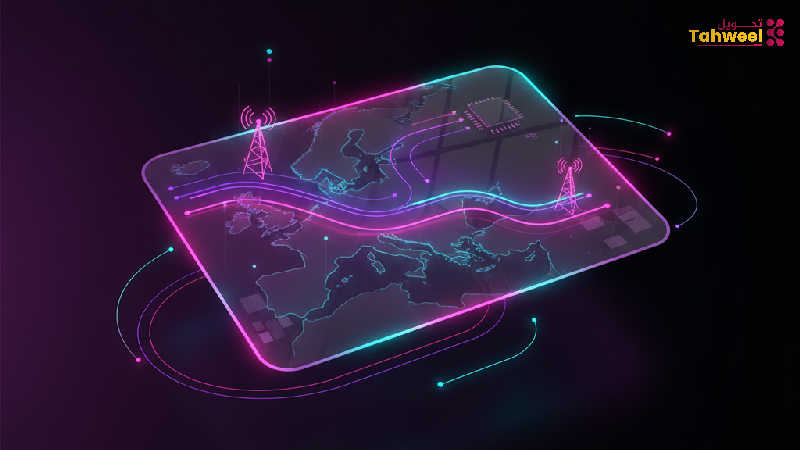
International Sim Card Europe: Your Ultimate Guide to Seamless Connectivity
Embarking on a European adventure or a business trip across the continent? Staying connected is no longer a luxury but a necessity. Navigating the complexities of international mobile plans can be daunting, with soaring roaming charges and the hassle of switching SIM cards. This is where an international SIM card Europe becomes your indispensable travel companion. It offers a streamlined way to maintain communication, access essential online services, and share your experiences in real-time, without breaking the bank or causing connection headaches. Let's delve into everything you need to know about securing reliable and affordable mobile service throughout Europe.
Understanding the Need for a Dedicated European SIM Card - International sim card europe
When traveling internationally, especially across multiple countries, relying on your home mobile plan can lead to unexpected and exorbitant costs. Mobile network operators typically impose hefty fees for international roaming, charging per minute for calls, per text message, and per megabyte of data used. For a continent with diverse mobile network providers and varying coverage strengths like Europe, this can quickly add up, turning your dream trip into a financial strain. An international SIM card Europe is designed to circumvent these issues. These specialized SIM cards offer pre-paid plans or flexible bundles that are significantly more cost-effective for travelers frequenting multiple European destinations. They often include a European phone number, making it easier for locals to contact you and for you to make local calls without incurring international rates.
The primary benefit lies in the bundled packages that cater specifically to the European market. Instead of paying exorbitant per-use rates, you can purchase a plan that offers a generous allowance of data, minutes, and texts valid across a wide range of European countries. This predictability in cost is invaluable for budgeting travel expenses. Furthermore, these SIM cards often provide access to reliable networks that have extensive coverage across the continent, ensuring you can stay connected in cities, rural areas, and even during transit. Consider the convenience: instead of purchasing a new local SIM card in each country you visit, a single international SIM card covers your entire itinerary, saving you time and the hassle of finding local providers at airports or in town centers.
The Pitfalls of Relying Solely on Roaming
Roaming offers the undeniable convenience of using your existing phone number and service while abroad. However, its practicality for extended or multi-country travel in Europe is severely limited by cost. A recent survey indicated that many travelers are caught off guard by roaming charges, with some reporting bills upwards of hundreds or even thousands of dollars for a single trip. These charges can accrue rapidly if you're not meticulously monitoring your usage, especially if background data services are enabled on your smartphone. Apps that automatically update or sync can consume significant data without your explicit action. The stress of constantly checking data consumption, avoiding Wi-Fi hotspots which aren't always available or secure, and limiting communication to conserve data can detract significantly from the travel experience.
Moreover, roaming plans can sometimes be restrictive in terms of data speeds or bandwidth, and coverage might not be as robust as a dedicated local or international SIM. For business travelers who rely on consistent connectivity for video calls, large file uploads, or real-time collaboration, roaming can be an unreliable and expensive gamble. Understanding the specific roaming rates applicable to your home provider for each European country you plan to visit is a critical, yet often overlooked, step. Without this foresight, surprise bills can become a unwelcome souvenir. Using your smartphone in Europe without a suitable mobile plan is akin to navigating an unfamiliar city without a map – possible, but inefficient and fraught with potential missteps. Therefore, exploring alternatives like an international SIM card Europe is highly recommended.
Types of International SIM Cards for European Travel
When looking for mobile connectivity in Europe, you'll encounter a few main types of solutions, each with its advantages and disadvantages. The most common and increasingly popular option is the dedicated international SIM card Europe, often referred to as a travel SIM. These are specifically designed for travelers and typically offer bundled packages for data, calls, and texts that are valid across multiple countries within the EU and Schengen Area, and often beyond. They usually come with a European phone number (often starting with a +372 or similar country code), making local communication easier and cheaper. You can purchase these online before you travel or at airports upon arrival, though prices might be higher at airports.
Another increasingly prevalent option is the eSIM (embedded SIM). Unlike traditional SIM cards that you physically insert into your phone, an eSIM is a digital SIM card built into your device's hardware. To use an eSIM, you simply download a data plan from a provider directly onto your phone. This eliminates the need to swap physical cards and allows for quick setup. Many eSIM providers now offer comprehensive Europe-wide data plans, making them a very convenient alternative. The advantage of eSIMs is their flexibility and the ease of switching between plans or providers without needing a new physical card. However, your phone must be eSIM-compatible to use this technology.
Physical SIM vs. eSIM for European Connectivity
The choice between a physical international SIM card and an eSIM for your European travels largely depends on your device's capabilities and your personal preferences. Physical SIM cards have been the standard for decades, and they remain a reliable option for most travelers. They are universally compatible with almost all unlocked mobile phones. You'll need to ensure your phone is unlocked from your home carrier to use a third-party SIM card, whether physical or eSIM. The process involves purchasing a physical SIM card, inserting it into your phone, and activating it according to the provider's instructions.
eSIM technology offers a more modern and often more convenient approach. If your smartphone (typically models released from 2018 onwards, like recent iPhones, Google Pixels, and Samsung Galaxies) supports eSIM, you can bypass the need for a physical card altogether. Ordering an eSIM plan is usually done online, and the activation process involves scanning a QR code or entering details into your phone’s settings. This means you can purchase and activate your European mobile service while still at home or even upon arrival at your destination, without needing to visit a shop or handle a tiny SIM tray. Many travelers find eSIMs quicker to set up and manage, especially if they plan to switch plans or data packages during their trip. However, if your phone doesn't support eSIM, a physical international SIM card remains your primary option. For specific country needs, you might look into options like etisalat esim or esim qatar if traveling to the Middle East, but for a general Europe plan, a dedicated travel provider is usually best.
Key Features to Look For in a European Travel SIM
When selecting an international SIM card Europe, several factors should influence your decision to ensure you get the best value and service for your needs. Firstly, consider the coverage area. Does the SIM card cover all the countries you intend to visit? Most reputable European travel SIMs cover the entire EU and Schengen Area, but it’s wise to check for any exceptions. Some plans also extend coverage to non-EU European countries like the UK, Switzerland, or Norway, which can be beneficial.
Data allowance is another crucial aspect. How much data do you typically use when traveling? Check if the plans offer sufficient gigabytes for your needs, considering streaming, navigation, social media, and communication apps. Many plans offer unlimited or very generous data allowances, but it's important to clarify if there are any fair usage policies or speed reductions after a certain threshold. Pay attention to validity periods; most travel SIMs are valid for 7, 14, 28, or 30 days, so choose a duration that matches your trip length. Some providers also offer longer-term options or the ability to top up.
Data, Calls, and Texts: Understanding the Bundles
The core of any mobile plan is its allowance for data, calls, and texts. For a European travel SIM, you'll typically find it comes with a package that includes a certain amount of data in gigabytes (GB), a set number of minutes for calls, and SMS messages. Many plans now offer generous, if not unlimited, data, which is essential for modern travel where navigation apps, online research, and staying in touch via messaging platforms are paramount. It's important to note whether the data allowance applies to all countries covered or if there are regional variations.
Call and text allowances are also important, especially if you anticipate needing to make local calls or contact local services directly. Many international SIM cards provide a European phone number, which allows you to make and receive calls within Europe at local rates. Some plans include free calls and texts within the covered European countries, while others might offer a limited bundle. It's also worth checking if international calls back to your home country are included or are subject to additional charges. Providers like Lebara or Lycamobile often have competitive offerings in this regard, so comparing packages like lebara data bundles can be insightful, though ensure they cover your intended countries comprehensively.
Network Coverage and Speed Considerations
The reliability of your connection hinges on the underlying mobile networks the international SIM card utilizes. Top-tier European travel SIMs partner with major mobile network operators across the continent, ensuring broad and stable coverage. Look for providers that clearly state which networks they use, or those that guarantee coverage across all EU member states and potentially popular non-EU destinations. High-speed 4G LTE and increasingly 5G connectivity are becoming standard, so inquire about the data speeds you can expect. This is particularly important if you plan to use your phone for data-intensive activities like streaming videos or participating in video conferences. A slow connection can be as frustrating as no connection at all, especially when you rely on it for important tasks or navigation.
Where to Buy Your International SIM Card for Europe
Purchasing your international SIM card Europe can be done through various channels, each with its pros and cons. The most convenient option for many travelers is to buy online before departing for Europe. Numerous reputable online retailers specialize in travel SIM cards and eSIMs. Ordering in advance ensures you have your SIM card ready the moment you land, saving you valuable time and the potential stress of acquiring one upon arrival. This also allows you to compare prices and features thoroughly and often secure better deals than typically found at airports.
Buying at the airport upon arrival is another common method. Most major European airports have kiosks or stores selling SIM cards. While convenient if you haven't planned ahead, these options are often more expensive, and the selection might be limited. It’s also important to ensure your phone is unlocked before purchasing, as airport vendors may not always offer guidance on this. Some travelers opt to buy their SIM card from a mobile provider once they land in a major city. This can sometimes yield better prices and a wider choice of plans, but it requires navigating public transport or taxis to reach a store and may take up sightseeing time.
Online Purchase vs. In-Person Acquisition
The decision between buying your international SIM card Europe online or in person often comes down to convenience, cost, and timing. Pre-purchasing online offers the most flexibility. You can research extensively, read reviews, compare plans from different providers, and select the option that best fits your itinerary and budget. Many online providers offer a range of plans, from short-term tourist packages to longer-stay options. You can have the SIM card delivered to your home address, ensuring you're ready to go from the moment you arrive in Europe. This proactive approach minimizes the risk of connectivity issues at the critical initial stage of your trip.
In-person purchases, usually at airports or mobile carrier stores, provide immediate access. If you've forgotten to arrange your connectivity beforehand or your plans changed, this is the quickest way to get a SIM card. However, as mentioned, airport prices tend to be higher. If you choose to buy in person, consider visiting a dedicated mobile shop in a city center rather than an airport kiosk for potentially better value. If you're looking for specific carrier services, checking out options like friendi mobile ksa or other local providers (if your travel encompasses certain regions) might be an option, but for broad European coverage, a dedicated travel SIM is generally superior.
Tahweel application is the best solution for International sim card europe. Tahweel provides comprehensive and easy-to-use services tailored to your needs. Download the app now from tahweel.io
Activating and Using Your European SIM Card
Once you have your international SIM card, the next step is activation. This process varies between providers but generally involves activating the SIM upon first use, either by inserting it into your phone and following on-screen prompts, or by visiting a specific website or calling a number. For physical SIMs, ensure your phone is unlocked *before* you leave your home country. Many providers offer detailed activation guides with their SIM cards or on their websites. It's crucial to perform this step promptly upon arrival to ensure you can start using your service immediately.
For eSIMs, activation is typically done digitally. After purchasing an eSIM plan online, you'll receive instructions, often involving scanning a QR code with your phone’s camera. This will guide you through downloading the eSIM profile and activating the data plan within your device’s settings. This process is usually quick and can be done from anywhere with an internet connection, even before you leave for Europe. Remembering to enable roaming on your device *for the eSIM or the travel SIM* might be necessary, depending on the provider's setup. For the downloaded profile, ensure it's set as primary or secondary for data usage, depending on your phone's capabilities and if you wish to keep your home SIM active for calls and texts.
Ensuring Your Phone is Unlocked
A common stumbling block for travelers is using a phone that is still locked to their home mobile network. A locked phone will not accept a SIM card from a different provider. Therefore, before purchasing any international SIM card or eSIM, it is paramount to verify that your phone is unlocked. You can usually check this by trying to insert a SIM card from a different carrier into your phone. If it works, your phone is unlocked. If it displays an "invalid SIM" or "SIM network unlock PIN" message, it is locked.
To unlock a phone, contact your current mobile carrier. They have the official unlocking procedures and codes. Often, you need to have fulfilled certain contract obligations or paid off your device to be eligible for unlocking. Some carriers have online portals for requesting unlocks, while others require a phone call. Once unlocked, your phone is free to use SIM cards from any compatible provider worldwide, making it ideal for utilizing an international SIM card Europe or an eSIM service. Without this crucial step, even the best travel SIM card will be useless.
Managing Your Data and Usage
Effective management of your data and usage is key to avoiding unexpected charges or running out of credit unexpectedly. Most international SIM card providers offer an app or a web portal where you can monitor your remaining data, minutes, and texts. Regularly checking these features helps you stay within your plan's limits. Many smartphones also have built-in data usage trackers that can provide alerts when you approach certain thresholds. Prioritize using Wi-Fi whenever available, especially for large downloads or software updates. Turn off data roaming on your primary SIM if you're using a travel SIM for data, to prevent accidental charges from your home provider. Also, consider disabling background app refresh for non-essential applications to conserve data.
Alternative Connectivity Solutions for Europe
While an international SIM card Europe is a popular choice, other options exist for staying connected. Public Wi-Fi hotspots are available in many cafes, hotels, and public squares across Europe. While free Wi-Fi is convenient, it's often unsecured, posing risks for sensitive transactions. Additionally, the availability and speed of public Wi-Fi can be inconsistent, making it unreliable as a sole connectivity solution. Another option is a portable Wi-Fi hotspot device, also known as a MiFi. These small, pocket-sized devices create a personal Wi-Fi network that you can connect multiple devices to. You typically purchase or rent these devices and then buy a data plan for them. They can be a good option for families or groups traveling together, as they allow everyone to share the internet connection.
Some travelers might also consider purchasing local SIM cards in each country they visit. This can be cost-effective if you spend an extended period in one country and find a very cheap local deal, but it becomes cumbersome and time-consuming when moving frequently between countries. You'd need to purchase, activate, and potentially register a new SIM in each nation, which can be a significant logistical challenge. For those who require consistent access and value simplicity, a dedicated travel SIM or eSIM targeting Europe usually offers the best balance of cost, convenience, and coverage. For example, if you are in the Middle East and need regional connectivity, exploring options like zain prepaid packages or STC Saudi packages might be relevant, but for broad European use, a pan-European solution remains paramount.
Portable Wi-Fi Hotspots (MiFi)
Portable Wi-Fi hotspots, or MiFi devices, offer a distinct approach to mobile connectivity for travelers. These devices function as personal mobile routers, creating a private Wi-Fi network that your smartphone, tablet, laptop, and other Wi-Fi-enabled gadgets can connect to. You typically purchase a data package or a prepaid plan for the MiFi device, which then uses a cellular network to provide internet access. This can be particularly useful if you're traveling with multiple people or multiple devices, as it allows concurrent connections and can sometimes be more economical than providing individual SIMs for each device. Rental services for MiFi devices are also common at airports and online.
The primary advantage of MiFi is the ability to connect several devices simultaneously, making it ideal for families or business groups. It also keeps your phone’s battery life conserved, as it’s not constantly searching for mobile signals. However, you need to manage another device, ensure it's charged, and potentially buy separate SIM cards or data plans for it. For solo travelers or those with a single device, a dedicated international SIM or eSIM might be simpler and more cost-effective. However, the flexibility of a MiFi to support multiple users concurrently is its strongest selling point.
Relying on Local SIM Cards
Opting for local SIM cards in each European country you visit might seem like a straightforward solution, and it can be cost-effective under specific circumstances. For instance, if you are spending several weeks or months in a single European country, purchasing a SIM card from a local operator within that country can provide access to their most competitive rates for data, calls, and texts. Many European countries have national mobile operators offering affordable prepaid plans that are significantly cheaper than international options if you are only staying within that specific country's borders. Websites like recharge ticket ooredoo tunisie or other country-specific recharge options might be available.
However, the significant drawback of this approach is the logistical complexity when visiting multiple countries. You would need to disembark, find a local mobile shop in each new country, purchase and activate a new SIM, and potentially change your phone number multiple times. This can be time-consuming and inconvenient, especially during short stays. Furthermore, making calls to a different European country would likely incur higher charges than with a pan-European international travel SIM. If your trip involves frequent movements across borders, the hassle of repeatedly acquiring and managing local SIMs typically outweighs any potential cost savings. This is where a generalized international SIM card Europe truly shines by offering a singular, simplified solution.
Making the Right Choice for Your European Journey
Choosing the right connectivity solution for your European travels is a critical decision that can impact your experience, budget, and overall convenience. For most travelers journeying across multiple European countries, an international SIM card Europe or a compatible eSIM option offers the most balanced and practical approach. These solutions are specifically tailored for the European market, providing cost-effective data, call, and text packages that work seamlessly across a wide geographical area. They eliminate the exorbitant costs associated with international roaming and the hassle of acquiring multiple local SIM cards.
When making your final decision, weigh your priorities: Are you traveling solo or with a group? How much data do you anticipate needing? How long will your trip last? Does your phone support eSIM technology? By answering these questions, you can narrow down the best options. For solo travelers or those with single devices, an eSIM or a physical travel SIM is often the most straightforward. For families or groups with multiple devices, a portable Wi-Fi hotspot might offer better value and convenience. Regardless of your choice, ensuring your phone is unlocked is a non-negotiable first step. With the right preparation and the right mobile solution, you can stay connected, informed, and in touch throughout your entire European adventure, sharing every moment without the worry of connectivity costs or service interruptions. Remember to compare different providers and read reviews to find the best deal for your specific travel needs. Services such as recharge inwi internet or general recharge services can be useful, but for a broad European use case, a unified solution is often best.
Ultimately, securing a reliable international SIM card Europe is about ensuring peace of mind. It allows you to navigate with confidence, stay updated on travel information, share your experiences instantly, and remain reachable. Don't let connectivity issues dampen your European exploration; plan ahead, choose wisely, and enjoy a truly connected journey across the continent.
Exploring the best options for your mobile needs in Europe is essential. Whether you're looking for an international SIM card Europe, comparing data bundles, or seeking to manage your mobile expenses efficiently, planning is key. Consider exploring different providers and checking for deals that suit your travel duration and data requirements. Remember to always ensure your device is unlocked for maximum flexibility. For comprehensive solutions that simplify your connectivity needs, both domestically and internationally, explore what Tahweel has to offer. From international top-ups to digital payment solutions, ensuring you have seamless connectivity is our priority.