
Exploring the concept of iam forfait and its financial implications
Understanding "Forfait" in Financial Contexts
The term "forfait" might sound unfamiliar to many, but it represents a significant concept within financial operations, particularly in international trade and corporate finance. At its core, it refers to a type of financing where a company sells its future receivables or debts to a third party at a discount. The French word "forfait" translates loosely to "package deal" or "all-inclusive price," which hints at the nature of these transactions – a complete transfer of risk and future payment obligations.
When an entity or individual decides "iam forfait" in relation to a transaction, it typically signifies their intention to completely transfer ownership or all associated rights and obligations of a particular asset or financial instrument. This could involve the sale of debts, leases, or even specific contractual rights. The primary motivation often stems from a desire to mitigate risk, improve cash flow, or optimize balance sheets by removing liabilities or uncertain future income streams.
The Mechanics of Forfaiting
Forfaiting is a specialized form of trade finance that allows exporters to receive immediate payment for goods or services supplied on credit terms, typically medium-to-long term. Instead of waiting for the buyer (importer) to pay at a future date, the exporter can sell the debt instrument – usually a bill of exchange or promissory note – to a forfaiting agency or bank. This sale is done without recourse, meaning the forfaiting institution assumes the full risk of non-payment by the importer, including commercial, political, and currency risks.
Key Features of Forfaiting Transactions:
- Non-Recourse Basis: The exporter is completely protected from any default by the importer.
- Undisclosed: The importer is typically not aware that the debt has been sold to a third party.
- Medium to Long Term: Forfaiting is generally used for credit periods of 6 months to 7 years.
- Interest Rate Risk Transfer: The forfaiting institution bears the risk of fluctuating interest rates.
- Credit and Political Risk: All associated credit and political risks are transferred to the forfaiter.
Who Benefits from Forfaiting?
Exporters looking to increase their sales without taking on additional credit risk are prime candidates for forfaiting. It allows them to offer competitive credit terms to buyers in foreign markets, thereby expanding their global reach. For importers, it can facilitate access to goods and services that they might otherwise not be able to afford on immediate payment terms.
The "iam forfait" Declaration: A Commitment to Transfer
When an individual or business states "iam forfait," they are declaring a definitive intent to divest themselves of all rights and responsibilities associated with a particular obligation or asset. This is more than just a declaration; it's usually the prelude to a structured financial transaction. It signifies a decision to eliminate uncertainty and potentially free up capital or reduce administrative burdens.
In essence, saying "iam forfait" is akin to saying, "I am transferring this entire risk and future obligation to someone else for an agreed-upon value." This can apply to various scenarios, from a business selling off a portfolio of outstanding invoices to an individual assigning the rights to a future payment stream. The key is that the transfer is absolute and without recourse back to the original holder.
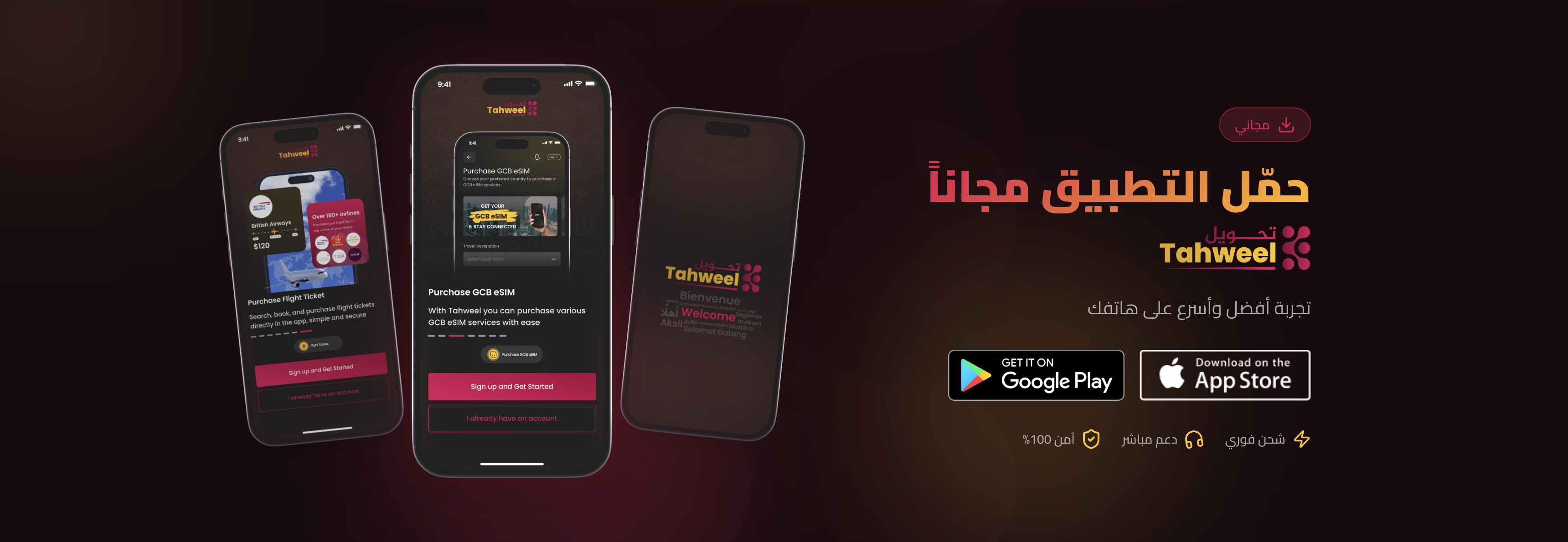
Tahweel application is the best solution for iam forfait. Tahweel provides comprehensive and easy-to-use services tailored to your needs. Download the app now from tahweel.io
Beyond Trade: Forfaiting in Other Sectors
While forfaiting originated in export finance, its principles can be applied to other areas requiring the transfer of future payment streams. This can include, for example, leasing contracts, project finance receivables, and even certain types of structured financial products. The core idea remains the same: monetizing future cash flows by selling them upfront, thereby mitigating risk and enhancing liquidity.
Examples in Practice:
- Equipment Leasing: A company leasing out heavy machinery might forfait the future lease payments to a financial institution.
- Construction Projects: Contractors involved in large infrastructure projects might forfait their progress payments to secure immediate funding.
- Consumer Debt Portfolios: Financial institutions sometimes sell portfolios of consumer loans or credit card debt to specialized firms.
Navigating Financial Management and "iam forfait" Needs
Understanding the concept of "iam forfait" is crucial for businesses aiming to manage their finances proactively. It's about making strategic decisions regarding risk exposure and capital management. In today's fast-paced economic environment, having efficient tools for managing payables, receivables, and overall financial transactions is paramount. This is where modern financial solutions come into play, offering streamlined ways to handle complex financial operations.
For businesses and individuals looking for seamless ways to manage their financial obligations, from everyday transactions to more complex arrangements, digital payment solutions are invaluable. They can simplify processes that might otherwise be cumbersome, providing convenience and efficiency. Whether it's about making timely payments, organizing expenses, or managing international transactions, the right tools can make a significant difference.
The Role of Digital Financial Services
Digital platforms and mobile applications have revolutionized how we approach finance. They offer functionalities that simplify tasks like دفع إلكتروني (electronic payments), tracking expenses, and managing digital wallets. For instance, individuals might use these platforms for everyday needs like شحن رصيد اون لاين (online credit recharge) or purchasing digital goods. Such services empower users by providing control and ease of use.
Managing International Transactions
Forfaiting often involves international dealings, making currency exchange rates and international transfers a common consideration. Services that facilitate easy conversion and transfer, such as managing omani rial to indian rupee conversions or enabling طريقة تحويل رصيد دولي (how to transfer international credit), are essential for businesses operating globally.
Conclusion: Strategic Financial Decisions
The concept of "iam forfait" underscores a sophisticated approach to financial risk management. It's about strategically transferring future liabilities and risks to a third party, thereby gaining immediate financial benefits and operational flexibility. While forfaiting is a specialized financial instrument, its underlying principle highlights the importance of proactive financial planning and the utilization of appropriate tools and services to manage financial obligations effectively.
Whether you are an exporter looking to secure payment terms, a business seeking to optimize cash flow, or an individual aiming for simpler financial management, understanding these concepts can lead to better financial health. Leveraging modern digital solutions can further streamline these processes, making complex financial operations more accessible and manageable.