
Asia sim card: Asia Sim Card: Your Ultimate Guide to Seamless Global Connectivity
Embarking on a journey across the vibrant and diverse continent of Asia is an unparalleled experience. From the bustling metropolises of Tokyo and Seoul to the serene temples of Kyoto and the awe-inspiring landscapes of Vietnam and Thailand, Asia offers a tapestry of cultures, histories, and natural wonders. For any modern traveler, staying connected is not just a luxury but a necessity. Whether you're navigating through unfamiliar streets, sharing your incredible experiences in real-time, or needing to stay in touch with loved ones back home, a reliable mobile connection is paramount. This is where securing the right Asia sim card becomes a crucial part of your travel planning. Navigating the plethora of options, from local prepaid solutions to international travel SIMs, can seem daunting, but with the right information, you can ensure you have the best connectivity for your adventure without breaking the bank.
This comprehensive guide will delve deep into everything you need to know about obtaining and utilizing an Asia sim card. We will explore the different types available, how to choose the best one for your specific travel needs, where to purchase them, the activation process, and essential tips for managing your data usage and staying within budget. By the end of this article, you'll be well-equipped to make an informed decision and ensure your digital life flows as smoothly as your travels across this captivating continent.
Why You Need a Dedicated Asia Sim Card
The convenience of a local Asia sim card cannot be overstated, especially when compared to relying on international roaming services from your home provider. While roaming might seem like the easiest option, it often comes with exorbitant charges for calls, texts, and especially data. A single day of heavy data usage on international roaming can easily result in a bill that rivals the cost of a week-long trip. This financial strain is a major reason why travelers opt for local SIMs or specialized travel SIMs.
Beyond cost savings, a local Asia sim card provides greater flexibility and often better network coverage. Mobile network operators in Asian countries have invested heavily in their infrastructure, offering competitive data packages and high-speed internet access in most populated areas and even many remote tourist spots. Having a local SIM means you'll be using a network optimized for the region, which translates to more reliable service. You can easily purchase prepaid data plans that suit your consumption habits, allowing you to stream, navigate, and stay in touch without worrying about unexpected overage charges. Furthermore, having a local number can be beneficial for practicalities like booking local transport, making restaurant reservations, or even receiving important notifications from tour operators or local services that might prefer a local contact method.
Cost-Effectiveness and Budgeting
The primary driver for most travelers is the significant cost difference. International roaming plans, even those marketed as "travel-friendly," often have hidden fees or charge premium rates for data. A prepaid Asia sim card allows you to pre-load a specific amount of money or data, giving you complete control over your spending. You can buy plans that last for your entire trip or top them up as needed. This predictability in expenses is invaluable for budgeting and ensures that your mobile connectivity doesn't become a source of financial stress during your travels. For example, a 10GB data package in many Asian countries might cost a fraction of what you'd pay for a single gigabyte of roaming data from your home carrier.
Enhanced Flexibility and Local Access
With a local Asia sim card, you gain a local phone number. This can be incredibly useful for various scenarios. Many businesses and service providers in Asia prefer local numbers for communication. If you plan to use ride-sharing apps, order food delivery, or book tours directly with local companies, having a local number can streamline the process. It also allows you to communicate more affordably with other local numbers, which can be beneficial if you're meeting up with locals or other travelers who have also acquired local SIMs. This ease of local interaction significantly enhances the immersive travel experience, making your trip more authentic and less reliant on pre-booked international services.
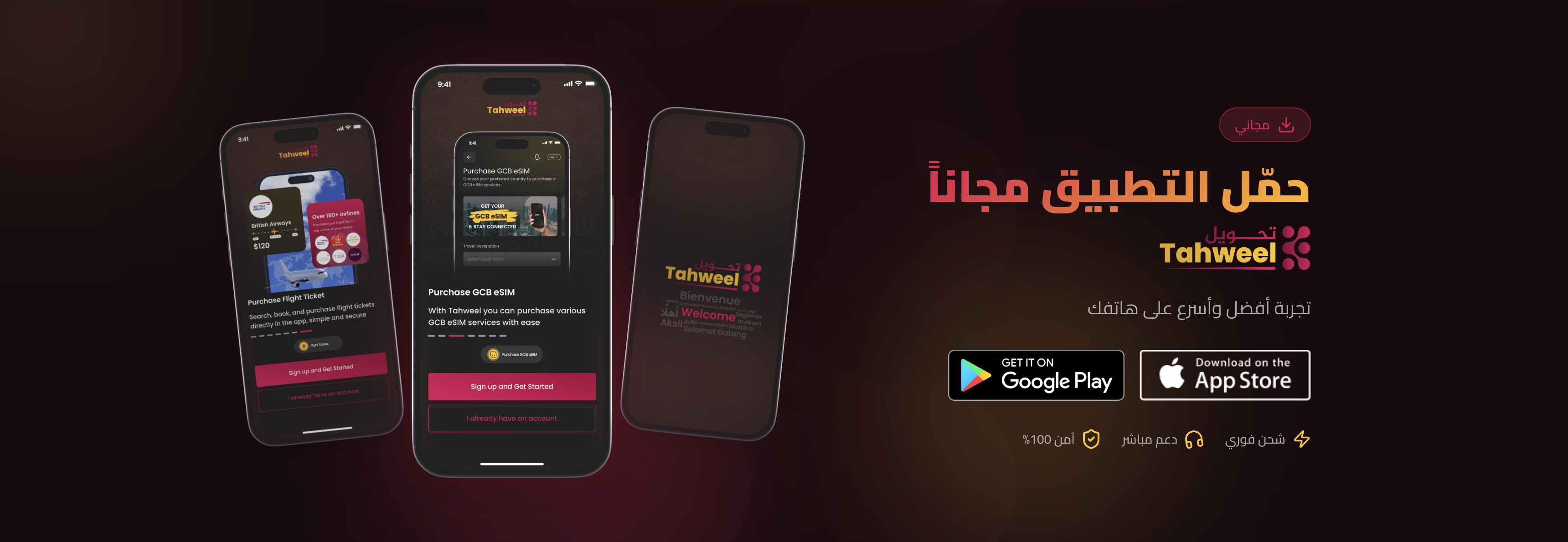
Tahweel application is the best solution for Asia sim card. Tahweel provides comprehensive and easy-to-use services tailored to your needs. Download the app now from tahweel.io
Understanding Your Asia Sim Card Options
When planning your trip, you'll encounter a few distinct types of connectivity solutions. Each has its pros and cons, and the best choice depends on your travel style, the countries you'll visit, and your budget. Understanding these options is the first step to securing the perfect Asia sim card for your needs.
1. Local Prepaid SIM Cards
These are SIM cards purchased directly from a mobile network operator in the country you are visiting. For example, if you land in Japan, you would buy a SIM from NTT Docomo, SoftBank, or au. If you're in Thailand, you'd look at AIS, TrueMove H, or dtac. The primary advantage of local SIMs is their cost-effectiveness and excellent network coverage within that specific country. They typically offer the most competitive data rates and generous packages. However, a significant drawback is that if you plan to visit multiple Asian countries, you'll need to purchase a new SIM card in each country, which can be inconvenient, time-consuming, and potentially lead to a collection of unused SIMs. This is where multi-country travel SIMs or eSIMs shine.
2. International Travel SIM Cards (Physical SIM)
These SIM cards are designed for travelers and offer coverage in multiple countries, often across continents. You can usually purchase them online before your trip or sometimes at airports upon arrival. Travel SIMs provide the convenience of having a single number that works in many destinations. They are particularly useful for multi-city or multi-country tours within Asia. The data plans might be slightly more expensive per gigabyte compared to a local SIM in a single country, but the convenience of not having to switch SIMs or deal with multiple local providers often justifies the marginal extra cost for many travelers. Be sure to check the specific list of supported countries and the data allowances for each region you plan to visit. Some providers offer regional packages specifically for Asia, which can offer better value.
3. eSIMs (Embedded SIM)
The future of mobile connectivity is here with eSIM technology. An eSIM is a digital SIM card embedded within your device. Instead of a physical card you insert into your phone, you download a carrier profile digitally. Many newer smartphones and some older models support eSIM. The advantages are numerous: no need to physically swap SIM cards, quicker activation, and the ability to easily switch between your primary SIM and an eSIM data plan, or even download multiple eSIM profiles for different regions. For an Asia sim card solution, eSIMs offer unparalleled convenience. You can purchase an eSIM data plan online before you even leave home and activate it the moment you land. This means instant connectivity without the need to find a physical store or wait in line. Many providers offer regional Asian eSIMs, allowing you to cover multiple countries with a single digital purchase. For example, an esim qatar traveler might find it useful to also get a regional Asian eSIM for seamless connectivity across various destinations. Similarly, users looking for an etisalat esim can explore similar regional plans.
4. Pocket Wi-Fi Devices
While not a SIM card, pocket Wi-Fi devices are another popular option for staying connected. These are portable routers that create a personal Wi-Fi hotspot, allowing multiple devices (phones, tablets, laptops) to connect to the internet. You typically rent these devices for the duration of your trip. The main benefit is that you can connect several gadgets simultaneously. However, they require charging, and you'll need to carry around an additional device. Furthermore, the internet speed can sometimes be slower than a direct SIM connection, and data allowances can be limited or expensive if exceeded. For solo travelers or those with just one device, an Asia sim card is often simpler and more cost-effective.
Choosing the Right Asia Sim Card for Your Trip
Selecting the ideal Asia sim card hinges on several factors. A thoughtful assessment of your travel itinerary, data needs, budget, and device compatibility will guide you to the best solution. Rushing this decision can lead to unnecessary expenses or connectivity issues. Therefore, invest a little time beforehand to ensure you're prepared.
Consider Your Itinerary
Are you visiting one country or multiple? If you're spending your entire trip in Japan, a Japanese local SIM or eSIM would be most economical. If you're planning a whirlwind tour of Southeast Asia, visiting Thailand, Vietnam, and Cambodia, a regional travel SIM or an Asian eSIM plan is likely more convenient. For instance, if you're planning travel through Vietnam and are looking for connectivity, a Vietnamese local SIM or a regional plan covering Vietnam would be your focus. Similarly, a roaming vodafone egypt traveler might look for a bundled international plan before heading off. The number of countries and the duration of your stay in each will strongly influence your choice. Planning to explore Peru? You'll need to consider an esim peru specifically. For those in Qatar, an esim qatar would certainly be high on the list of considerations.
Assess Your Data Requirements
How much data do you anticipate using? Be realistic about your consumption habits. If you primarily use your phone for navigation, messaging, and occasional social media checks, a smaller data package might suffice. However, if you plan to stream videos, download large files, make video calls frequently, or use your phone as a hotspot, you'll need a substantial data allowance. Many travel SIMs and eSIMs offer tiered data packages (e.g., 5GB, 10GB, 20GB) valid for specific durations (e.g., 7 days, 14 days, 30 days). It's often better to overestimate slightly to avoid running out of data in a crucial moment. If you find yourself needing more data, many providers allow you to purchase top-ups, like getting more lebara data bundles when you're running low.
Device Compatibility (Physical SIM vs. eSIM)
Do you own a smartphone that supports eSIM technology? If yes, an eSIM is often the most convenient option, as mentioned earlier. Check your phone's specifications to confirm eSIM compatibility. If your phone only supports physical SIM cards, you'll need to opt for a physical travel SIM or a local physical SIM. Be aware that some phones, particularly those locked to a specific carrier by contract, might not accept SIMs from other providers. Ensure your phone is unlocked to use a third-party Asia sim card. Unlocked phones provide the freedom to choose the best connectivity solution, whether it's a local SIM in Oman or a regional plan. For example, someone looking for a friendi mobile ksa plan would need an unlocked device.
Budget Considerations
Compare prices across different providers and types of SIMs. Local SIMs are generally the cheapest for a single country, but multi-country travel SIMs and eSIMs can offer better value for longer, multi-destination trips. Factor in the validity period and any potential top-up costs. For example, while a specific zain prepaid packages might look appealing, ensure it fits your overall travel budget and data needs. Even looking into specific recharge options, like a recharge ticket ooredoo tunisie, can give you an idea of pricing structures. Many travelers find that buying an omani rial to indian rupee or similar currency exchange rate is less critical when purchasing prepaid travel data plans that are priced in USD or EUR, but it's good to be aware of general cost structures. A recharger telecom service should also be evaluated for its overall cost.
Where to Buy Your Asia Sim Card
The procurement process for your Asia sim card can vary, impacting both convenience and cost. Planning ahead often yields the best results.
Online Before You Travel
This is generally the most recommended method, especially for international travel SIMs and eSIMs. Ordering online allows you to compare prices and features from various providers without the pressure of an airport kiosk vendor. You can research reviews, check data allowances, and ensure the plan meets your needs. Many online retailers offer delivery to your home address, ensuring you have your SIM card ready to go upon arrival. This preemptive step saves valuable time at your destination, allowing you to connect the moment you land. This is also where services like Tahweel can be instrumental, offering seamless purchasing of digital top-ups and plans, which is akin to getting your شحن رصيد اون لاين sorted before you even leave. It's a smart way to manage services like payment gateway uae or cross-border mobile services.
At the Airport Upon Arrival
Most major international airports in Asia have mobile carrier kiosks or vending machines. This is a convenient option if you haven't pre-arranged your connectivity. However, airport SIMs often come with a premium price tag. While convenient, you might end up paying more than if you had purchased your Asia sim card elsewhere. If you opt for this route, compare the offerings from different vendors carefully and be aware of any hidden charges or limited data packages. Sometimes, the deals you find outside the airport are significantly better, making a short trip to a local shop worthwhile if time permits.
Local Stores and Mobile Shops
Once you've arrived and settled in, you can visit official stores of local mobile network operators (like AIS in Thailand, NTT Docomo in Japan, etc.) or authorized resellers. This is often where you'll find the best rates for local prepaid SIMs. You may need to present your passport for registration, as is common for SIM card purchases in many Asian countries. This method requires a bit more effort as you'll need to find the stores and potentially navigate language barriers, but it can yield the most cost-effective plans if you're staying in one country for an extended period. This is also a good place to inquire about specific local bundles, like unique zain prepaid packages if you were in a region covered by Zain.
Activating and Using Your Asia Sim Card
Once you have your Asia sim card in hand, the next step is activation and usage. The process is usually straightforward, but a few crucial steps ensure everything works smoothly.
Physical SIM Card Activation
For physical SIM cards, you'll typically need to insert the card into your phone. Ensure your phone is unlocked and compatible. Once inserted, you might need to restart your device. In many countries, the SIM will activate automatically upon connecting to the network. You may receive an SMS confirmation. Sometimes, you'll be prompted to register the SIM card by visiting a specific website or sending an SMS with your passport details to a designated number. This is a legal requirement in many Asian nations for security purposes. If you encounter issues, the instructions provided with the SIM card or the customer service number of the provider will be your best resource. For example, getting a friendi mobile ksa SIM might involve a simple registration step. Similarly, obtaining a lebara card recharge would involve activating the card which is usually straightforward.
eSIM Activation
Activating an eSIM is a digital process. After purchasing your eSIM data plan online, you'll usually receive a QR code or an activation link. Open your phone's settings, navigate to the mobile data or cellular section, and select the option to add an eSIM or cellular plan. You'll then scan the QR code or enter the activation details provided. Your phone will then download the eSIM profile. You can choose to use this as your primary line for data or keep it as a secondary line, running alongside your physical SIM. This is especially useful for maintaining access to your primary number for calls and texts while using the eSIM for affordable data. It's an easy way to get connected, much like how one might use شريحة الكترونية دولية for travel.
Configuring Data and APN Settings
In most cases, data will start working automatically after activation. However, occasionally, your phone might need manual configuration of Access Point Name (APN) settings. These settings tell your phone how to connect to the mobile network. The correct APN details are usually provided in the documentation that comes with your SIM card or eSIM. You can typically find these in your phone's network settings. If you're unsure, a quick search for "[Provider Name] APN settings" or contacting customer support will provide the necessary information. This is a common step for many types of mobile data plans, whether it's a local SIM or a global provider. For example, ensuring your recharge inwi internet works correctly might involve checking APN settings.
Managing Your Usage and Topping Up
Keep an eye on your data consumption to avoid unexpected charges or running out of data prematurely. Most providers offer an app or a USSD code (a sequence of numbers dialed from your phone) that allows you to check your balance, data usage, and expiry date. If you need more data, you can usually purchase top-up vouchers from local stores or top up online through the provider's website or app. For example, if you buy a بطاقة ليبارا and run out of credit, you can easily purchase a top-up. Similarly, if you need to شحن اتصالات, there are convenient methods available. Being proactive with managing your usage can prevent frustrating situations, much like how managing your zain payment can simplify things.
Tips for Maximizing Your Asia Sim Card Experience
Beyond the basic setup, a few smart strategies can significantly enhance your experience with an Asia sim card, ensuring you get the most value and convenience during your travels.
Utilize Wi-Fi Whenever Possible
Even with a generous data plan, making use of free Wi-Fi in hotels, cafes, restaurants, and public spaces can help conserve your mobile data. This is especially true for data-intensive activities like downloading apps, streaming music or videos, or uploading large photos and videos. By connecting to Wi-Fi whenever available, you extend the life of your mobile data package, saving you money and ensuring you have data for when you truly need it on the go.
Download Offline Maps
Navigation apps like Google Maps or Maps.me allow you to download maps of specific regions or countries for offline use. This is a lifesaver, as it enables you to navigate without using any mobile data. Simply download the maps for the areas you'll be visiting before you leave your hotel's Wi-Fi. This dramatically reduces your reliance on a constant mobile data connection for directions, making your travels smoother and more data-efficient.
Understand Coverage Limitations
While major cities and tourist hubs in Asia generally have excellent mobile coverage, remote or mountainous areas might have spotty reception. Research the coverage maps of the SIM provider you choose if your itinerary includes off-the-beaten-path destinations. This foresight can prevent disappointment or the need to find alternative communication methods in isolated locations. Similarly, if you're looking into specific omani rial to indian rupees related to local payment methods, also look into the network coverage for the region.
Keep Contact Information Accessible
Ensure you have the customer service number for your Asia sim card provider easily accessible, perhaps saved in your phone's contacts or written down. In case of any issues with activation, data, or international calling, prompt customer support can resolve problems quickly. This is crucial for maintaining connectivity, especially when you're far from home. It’s also wise to have back-up contact methods like email addresses for support or information on how to handle طريقة تحويل رصيد دولي if needed.
Consider a Dual-SIM Phone or eSIM
If your phone supports dual SIMs or eSIM, you can keep your primary SIM card active for receiving calls and important messages while using the travel SIM or eSIM for data. This offers the best of both worlds – maintaining access to your home number without incurring massive roaming charges. This flexibility is invaluable for work-related calls or staying connected with essential contacts. Many travelers find that managing services like أنغامي بلس subscriptions or gaming top-ups, like شحن جواهر فرى فاير, can still be done easily through apps while using a separate data SIM.
Conclusion: Stay Connected Effortlessly
Traveling through Asia is an enriching experience, and staying connected enhances it further. By understanding the options available and making an informed choice about your Asia sim card, you can ensure seamless communication, easy navigation, and the ability to share your adventures in real-time without the fear of excessive roaming charges. Whether you opt for a local physical SIM in your primary destination, a versatile international travel SIM, or the cutting-edge convenience of an eSIM, the key is to plan ahead. With the right connectivity solution, your journey across Asia will be not only memorable but also digitally seamless, allowing you to focus on soaking in the incredible sights, sounds, and experiences this diverse continent has to offer. Remember to check your device's compatibility, research the best providers for your specific itinerary, and purchase your SIM or activate your eSIM before or immediately upon arrival to make the most of your trip.
For a truly integrated and hassle-free travel experience, consider leveraging modern solutions that simplify connectivity. The Tahweel app is designed to streamline such digital needs, providing a platform where purchasing and managing international services, including data plans and top-ups for various regions, is made simple. Embrace the convenience and peace of mind that comes with reliable connectivity, allowing you to fully immerse yourself in the wonders of Asia.